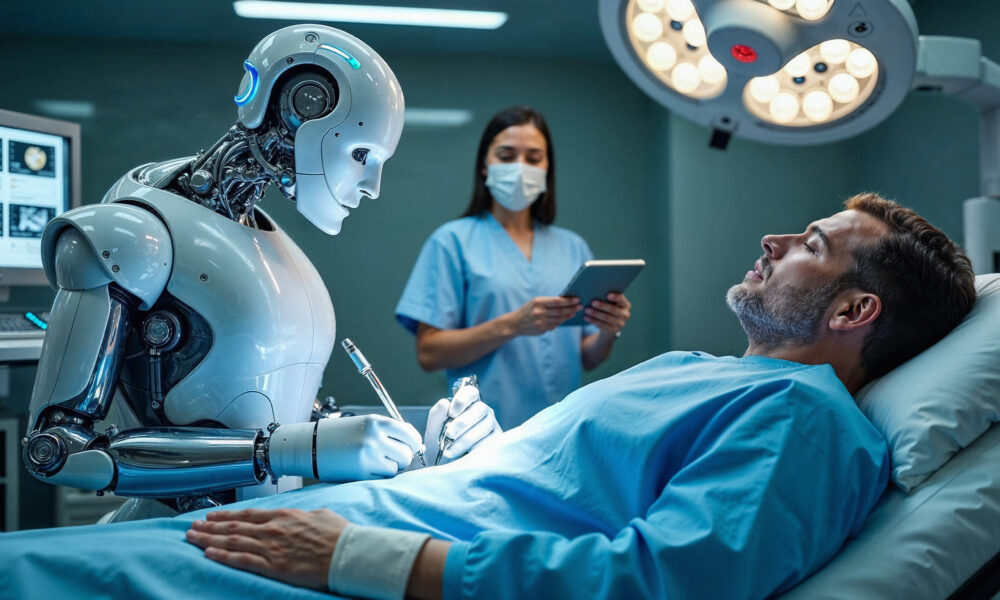
Robots can't replace compassion: Dr Arun Palaniswami on future of AI in healthcare

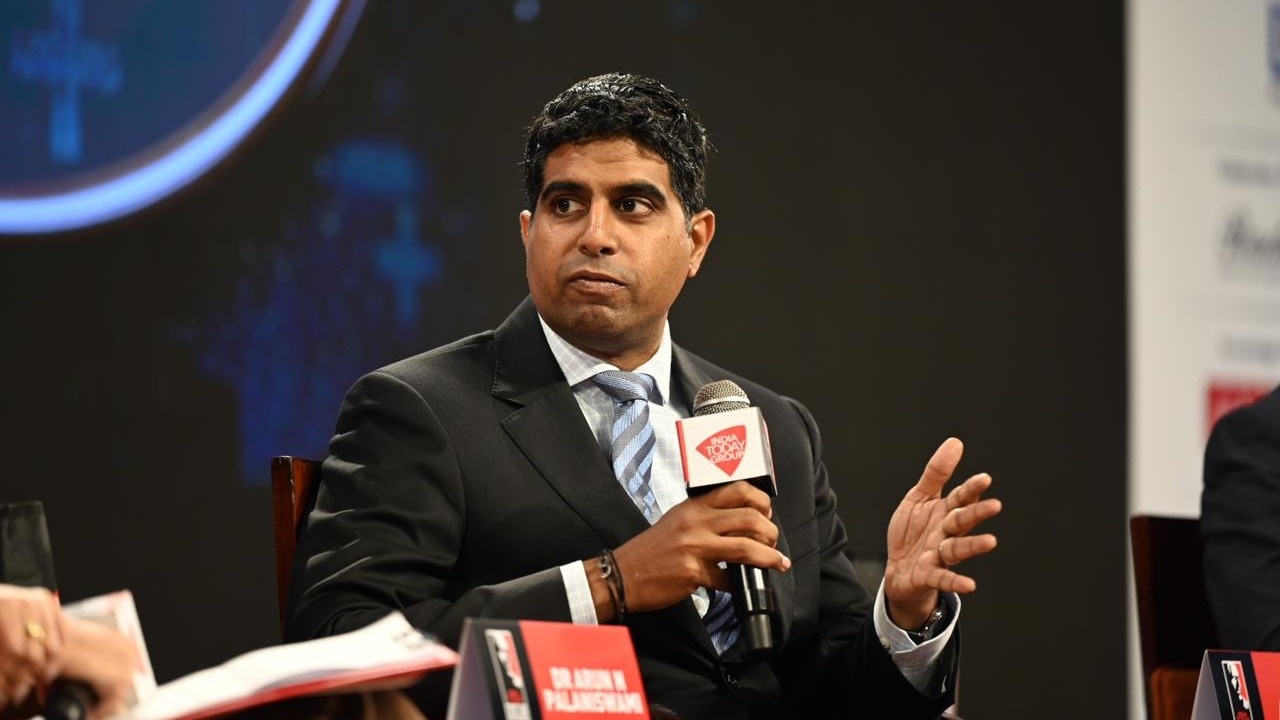
South India's success story lies in the long-term vision of its healthcare institutions, says Dr. Arun N Palaniswami, Executive Director of Kovai Medical Centre and Hospital at the India Today Conclave South 2025. “I think there's been a large history of institution building. We’re looking at 50, 100 years of leadership,” he said, pointing to how hospitals like Apollo and Aravind Eye Care became national benchmarks. advertisement He highlighted how Kovai grew from a 250-bed hospital to a 1,600-bed super-specialty centre with a medical and nursing college, reflecting a broader trend of integrated hubs of care and education. Conclave South: Full Coverage This competitive environment, he added, has built “huge HR capital” that now translates into technological progress and improved patient care. EDUCATION AS THE BACKBONE Ashwani Kumar, Vice Chancellor of Saveetha Institute of Medical and Technical Sciences (SIMATS), noted that South India’s dense network of medical colleges continues to attract talent nationwide. “South India is number one, without any doubt. The way we lay emphasis on innovation, research, and clinical care has created a milieu that sustains quality and affordability," he said during the same session. From rural outreach through mobile clinics to experiential learning programs, medical education in the South blends academic rigor with exposure to real-world health challenges. Both leaders stressed that this mix of empathy, research, and patient diversity has been crucial in shaping healthcare professionals. TECHNOLOGY AND THE FUTURE OF CARE As artificial intelligence and robotic surgeries enter hospitals, the experts agreed that doctors remain irreplaceable. "AI tools are only as good as the data fed into them, and their abilities are still very limited. They may advance, but you will always need a human component, someone to talk to patients, to guide them, to convince them when they are scared of a surgery. Half the job of a doctor is not just giving information but helping patients make decisions, showing compassion, and finding ways to get treatment for those who can’t afford it. That clear pathway is something only a doctor can provide," said Dr. Palaswami. Still, institutions are embracing digital tools. Kumar explained how Saveetha uses AI, robotic surgeries, and even 3D-printed organ models for teaching, reducing dependence on cadavers. Digitisation of records, he added, has improved transparency and access for both patients and students. AFFORDABILITY AND ACCESSIBILITY Balancing advanced care with affordability remains a challenge. Kovai Medical Centre runs what Dr. Palaniswami calls a “30-rupee hospital,” cross-subsidised through student fees and corporate operations. “We try not to turn any patient away,” he said, noting programs in pediatric oncology and cardiothoracic care for children from poor families. At Saveetha, Kumar said, empathy is central to care. “Upon admission of a patient, we credit Rs 5,000 in their account so they are not worried about diagnostics or money during emergencies,” he explained. The hospital also provides free meals and has waived bills running into lakhs for families in need. RETAINING TALENT IN INDIA With ageing populations in developed countries demanding Indian healthcare workers, retaining doctors and researchers at home is a growing concern. Dr. Palaniswami believes the solution lies in building long-term institutional cultures where young professionals see growth opportunities. Kumar pointed to Saveetha’s global recognition, especially in dentistry, and international student exchanges as a way to keep talent engaged while attracting global partnerships. advertisement Both leaders highlighted the need for stronger government involvement in areas like insurance and elderly care. Transparent admission processes, digitised records, and integrated patient-centric systems are setting benchmarks, but scaling them across India will take time. “You have to take young doctors, train them, build an environment in which they can grow and develop. You’re not necessarily going to find all the people running to join, but you need a five to ten-year patient view — a building culture," says Dr. Palaniswami. Ultimately, the patient is the nucleus for any healthcare institution, says Kumar. Echoing the same, Dr Palaniswami puts it succinctly, "You don't give good service and they'll just go to the next hospital." - Ends
Source: India Today